Understanding Estrogen Dominance Symptoms
Signs of Estrogen Dominance: What You Need to Know
Estrogen dominance is a condition where the balance between estrogen and progesterone hormones is disrupted. This imbalance can lead to several health problems, particularly in women. Understanding the signs of estrogen dominance is the first step toward achieving better hormonal health.
What is Estrogen Dominance?
Estrogen dominance occurs when there is too much estrogen relative to progesterone in the body. Hormones are like chemical messengers that control various functions in your body. When the balance is off, it can affect your mood, energy level, and overall well-being.
Common Signs of Estrogen Dominance
Here are some of the key signs that you might be experiencing estrogen dominance:
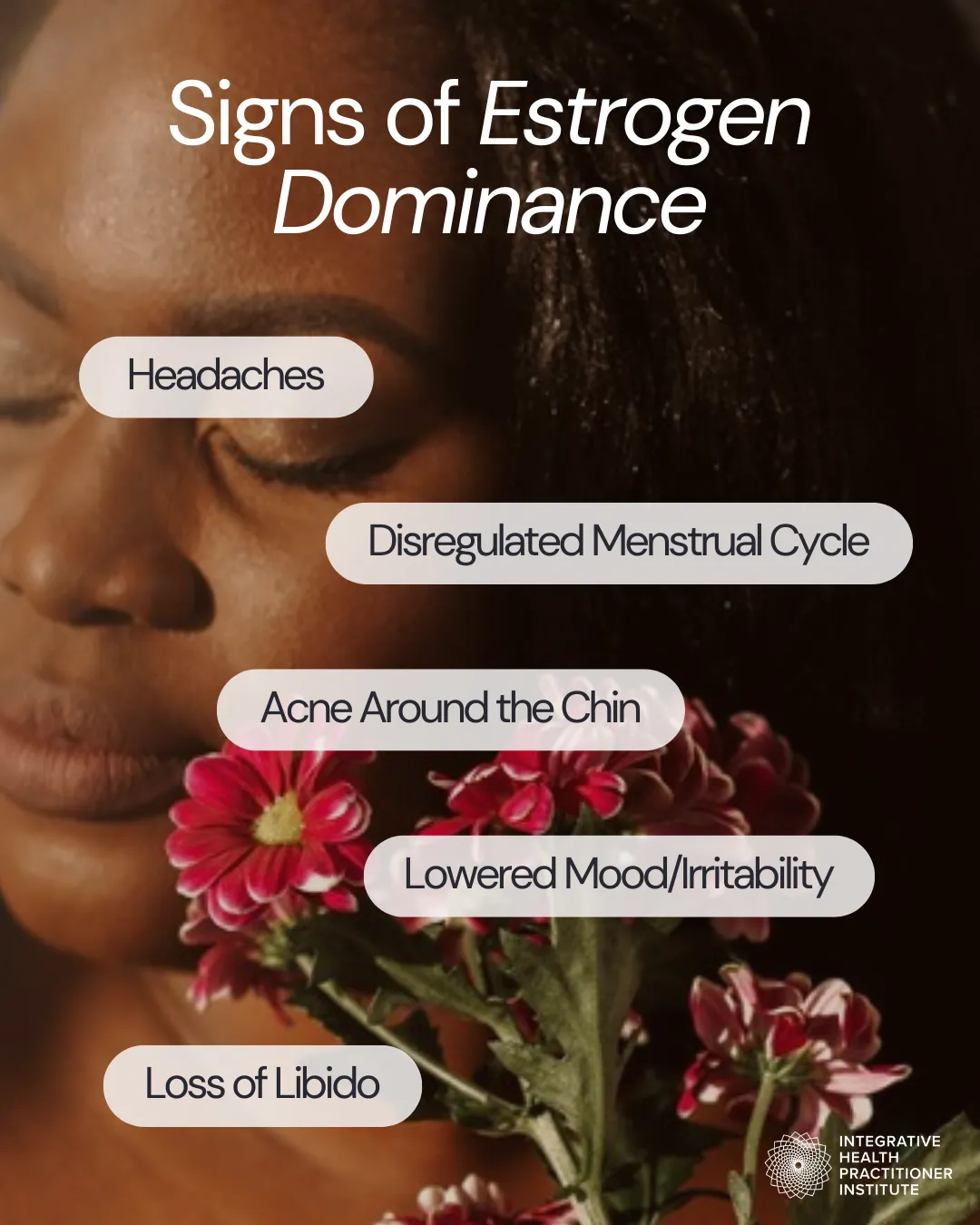
- Headaches: Frequent headaches can be a sign that your hormones are not balanced.
- Disregulated Menstrual Cycle: Irregular periods or heavy menstrual flow could indicate too much estrogen.
- Acne Around the Chin: Breakouts, especially around the chin and jawline, are often linked to hormonal imbalances.
- Lowered Mood/Irritability: Mood swings, irritability, and even depression can be symptoms of hormonal changes.
- Loss of Libido: A decrease in sex drive is another sign that your estrogen levels might be too high.
Why Does Estrogen Dominance Happen?
Several factors can contribute to estrogen dominance, including:
- Poor Diet: Consuming processed foods and sugars can lead to hormone imbalances.
- Lack of Exercise: Physical activity helps regulate hormones in the body.
- Environmental Toxins: Chemicals found in plastics and personal care products can mimic estrogen.
- Stress: High stress levels can lead to higher cortisol, which affects hormonal balance.
How to Manage Estrogen Dominance
Managing estrogen dominance involves a combination of lifestyle changes and possibly medical treatment. Here are some steps that might help:
- Balanced Diet: Focus on a diet rich in whole foods, fruits, vegetables, and lean proteins.
- Regular Exercise: Aim for at least 30 minutes of moderate exercise most days of the week.
- Avoid Toxins: Use natural or organic products when possible and limit exposure to plastics.
- Manage Stress: Engage in stress-reducing activities such as yoga, meditation, or spending time in nature.
- Consult a Healthcare Provider: If symptoms are severe, consider talking to a healthcare provider for advice tailored to your needs.
Conclusion
Understanding and recognizing the signs of estrogen dominance can be a crucial step in maintaining good health. While these symptoms may seem challenging, they are often manageable with the right lifestyle changes. Remember, your health journey is personal, and it’s important to find what works best for you. Don't hesitate to seek professional guidance if you need it. Taking small, daily steps towards balance can make a big difference in your overall well-being.
