Boost Your Health with Fiber Benefits
Boost Your Health with the Power of Fiber
When it comes to improving your health, fiber is a true hero. Many people do not realize all the wonderful benefits fiber provides. In simple terms, fiber is a type of carbohydrate that your body cannot digest. But, don’t worry! Fiber is incredibly important for your digestive system and overall health. Let's explore how fiber can help detox your body and improve your well-being.
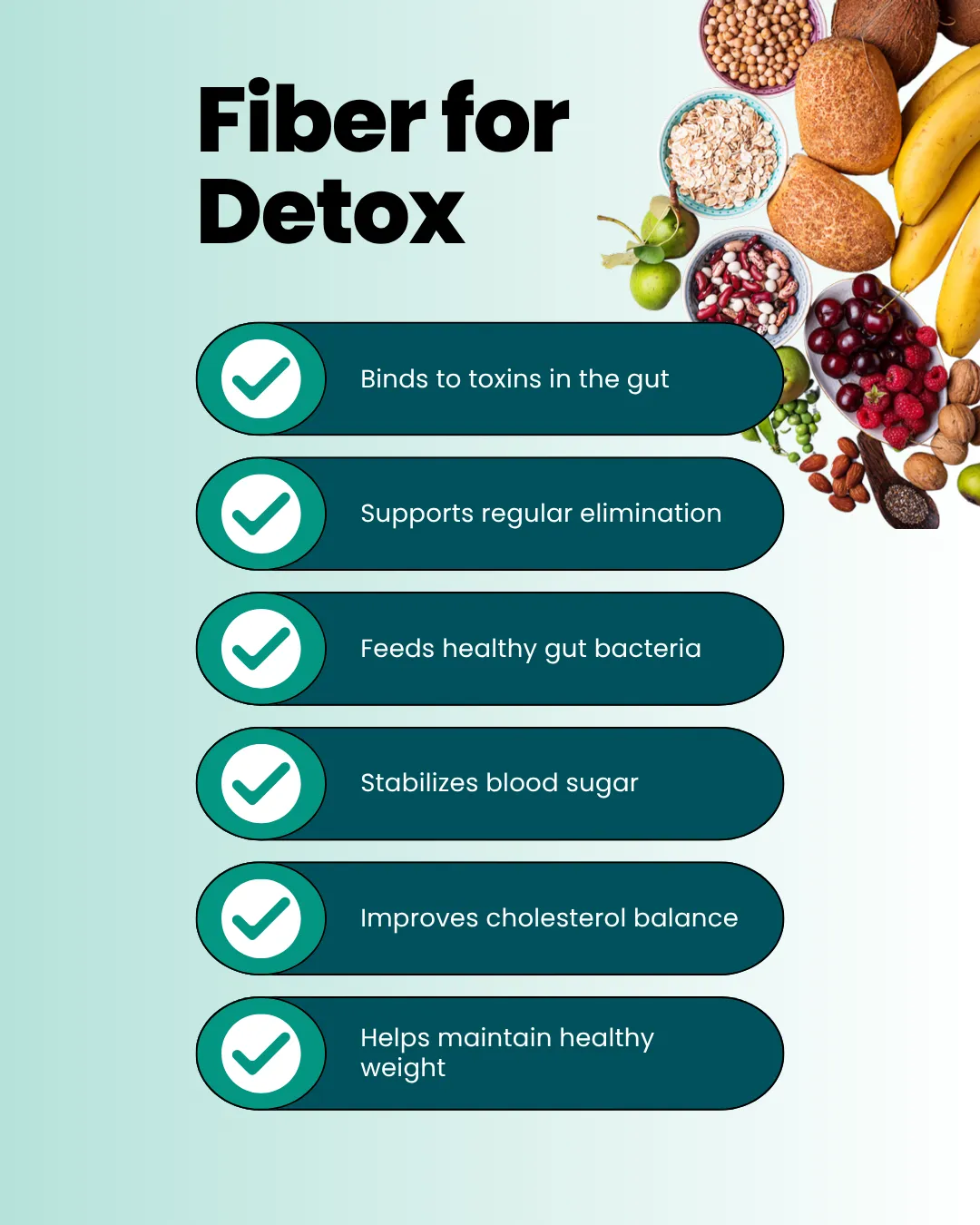
1. Fiber Binds to Toxins in the Gut
Fiber plays a crucial role in cleansing your body by binding to toxins in your gut. These toxins can come from various sources, such as processed foods or environmental pollutants. By binding to these harmful substances, fiber helps your body eliminate them effectively. This process keeps your gut clean and healthy.
2. Supports Regular Elimination
Regular bowel movements are vital for a healthy digestive system. Fiber helps in keeping things moving smoothly. It adds bulk to your stool and aids in preventing constipation. Regular elimination ensures that waste products are promptly removed from the body, reducing the risk of toxins getting absorbed.
- High-fiber foods like fruits, vegetables, and whole grains are great for supporting elimination.
- Aim to include fiber-rich foods in every meal to maintain a regular routine.
3. Feeds Healthy Gut Bacteria
Your gut is home to trillions of bacteria, both good and bad. Fiber acts as a prebiotic, providing nourishment for the good bacteria. These bacteria are essential for digesting food, supporting your immune system, and even influencing your mood.
Here’s how you can improve your gut health by including more fiber in your diet:
- Eat a variety of colorful fruits and vegetables.
- Add legumes like beans and lentils to your meals.
- Choose whole grains over refined ones.
4. Stabilizes Blood Sugar Levels
Fiber can also stabilize your blood sugar levels. When you eat high-fiber foods, the sugar in those foods is absorbed more slowly. This helps maintain steady blood sugar levels and reduces the risk of blood sugar spikes. Stable blood sugar levels are important for managing hunger and reducing your risk of developing type 2 diabetes.
5. Improves Cholesterol Balance
Cholesterol is a fatty substance that your body needs in small amounts. However, too much bad cholesterol (LDL cholesterol) can lead to heart disease. Fiber, especially soluble fiber, can help lower LDL cholesterol by binding to it in your digestive system and removing it from the body.
6. Helps Maintain a Healthy Weight
A diet rich in fiber can help you maintain a healthy weight. High-fiber foods are often more filling than foods low in fiber, so you may find yourself feeling full faster and for longer periods. This can prevent overeating and aid in weight management. In addition, many high-fiber foods are low in calories, making them a smart choice for weight loss or maintenance.
Easy Ways to Add More Fiber to Your Diet
- Start Your Day with Fiber: Have a bowl of oatmeal or whole-grain cereal for breakfast.
- Snack Smart: Choose fruits, nuts, or seeds for a fiber-rich snack.
- Add Vegetables: Incorporate more vegetables into your meals by adding a salad or veggie side dish.
- Choose Whole Grains: Swap white rice and pasta for brown rice and whole grain pasta.
- Include Legumes: Add beans or lentils to soups, stews, or salads for an extra fiber boost.
In conclusion, fiber is an essential part of a healthy diet. By including more fiber in your meals, you can support detoxification, improve digestion, and protect your overall health. Start making small changes today for a healthier tomorrow!
